
Satellite Backhaul Extends Base Station Coverage
As satellite internet technology continues to advance, satellite communications are becoming increasingly integrated with terrestrial 4G/5G mobile networks. This convergence offers more flexible coverage options for remote areas, maritime environments, emergency communications and other scenarios. Building on years of experience in 4G/5G wireless communications, SageRAN continues to explore ways to combine terrestrial mobile networks with satellite networks. This work has led to three technical approaches: traditional 4G/5G base stations with satellite backhaul, NTN ground base stations with transparent payloads, and NTN onboard base stations with regenerative payloads.
As the first article in this series, we begin with the approach closest to conventional mobile networks: how traditional 4G/5G base stations can use satellite services from providers such as China Satcom, APT Satellite and Starlink to extend mobile coverage to areas without terrestrial transmission infrastructure such as fiber.
01 Satellite Backhaul Extends Base Station Coverage
Traditional 4G/5G base stations are typically connected to the mobile operator’s core network through terrestrial transmission networks such as fiber and microwave links. In remote villages, mountainous areas, islands and along highways, laying fiber or building microwave relay links can be difficult and costly, especially over long distances. These challenges can limit base station deployment and network coverage.
Satellite broadband offers a new backhaul option for these sites. By combining satellite services with terrestrial 4G/5G base stations, operators can establish a connection between a base station and the core network in areas where terrestrial transmission networks are difficult to extend, reducing reliance on fiber and microwave infrastructure.
This approach can support network deployment in remote areas, as well as disaster relief, temporary communications and overseas projects. It enables base stations to be deployed flexibly where terrestrial transmission is unavailable, bringing mobile services to local users.
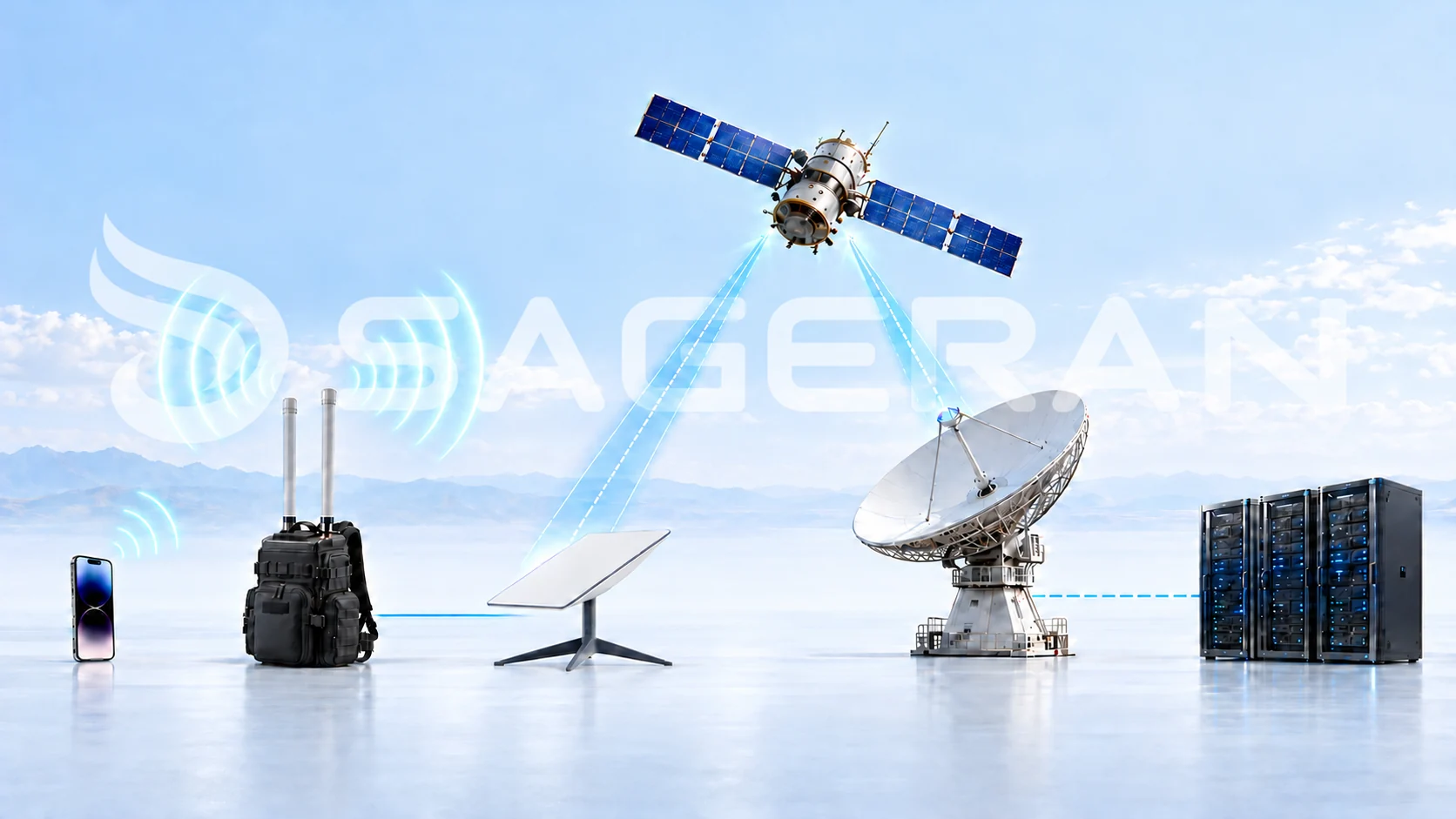
Figure 1 | Satellite backhaul network overview
02 Connecting the Network Through Space and Ground
The terminals supplied by different satellite broadband providers vary in operating frequency bands, antenna designs and access methods. Service availability and licensing requirements also differ. In a satellite backhaul solution, however, their role is similar: a satellite terminal establishes the satellite link and carries the base station`s IP backhaul traffic over an Ethernet interface. Traffic from the base station passes through the satellite terminal into the satellite network, then travels through the satellite provider`s gateway station and terrestrial backbone network before reaching the mobile operator’s core network, completing the end-to-end connection.
The key point is that the satellite provides transmission, while the 4G/5G base station continues to handle radio access. For users with standard mobile phones, network access works much as it does on a conventional terrestrial mobile network; their phones do not need direct-to-satellite capability.
Satellite backhaul is not limited to low Earth orbit constellations. High-throughput satellites such as China Satcom`s Zhongxing series and APSTAR-6D can also provide transmission services. For each deployment, suitable satellite resources can be selected based on the project location, capacity requirements, latency, deployment conditions and applicable service licensing requirements.
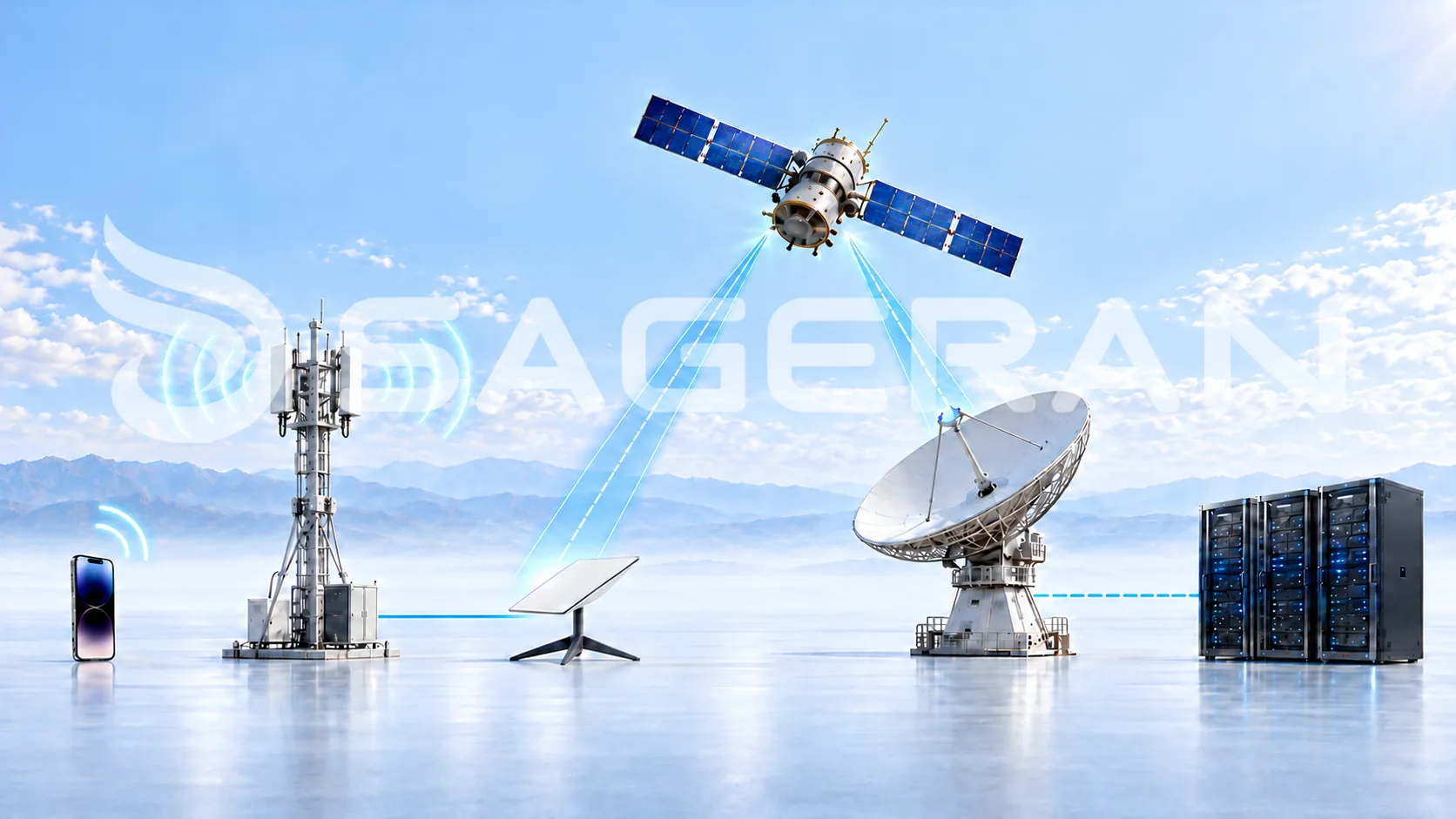 Figure 2 | Satellite backhaul network overview
03 SageRAN Base Stations for Diverse Deployment Scenarios
In a satellite backhaul architecture, the satellite provides long-distance transmission. Stable and effective local coverage, in turn, depends on factors such as the base station`s RF performance, network capacity, power supply and deployment method. With its self-developed 4G/5G wireless communications protocol stack and diverse base station portfolio, SageRAN can configure radio access equipment to suit different scenarios and turn satellite backhaul into mobile services for end users.
For fixed coverage in remote villages, mining areas, border regions and along highways, SageRAN can deploy medium-power integrated 4G/5G base stations with towers, solar power and satellite broadband backhaul to build self-contained communications sites. Flexible frequency-band configuration and coverage planning help provide continuous cellular coverage in areas with dispersed populations and challenging terrain.
For disaster relief, emergency command and temporary communications, SageRAN can deploy lightweight, portable 4G/5G backpack base stations alongside portable satellite terminals and mobile power supplies. This enables equipment to be transported, set up on site and brought into service quickly.
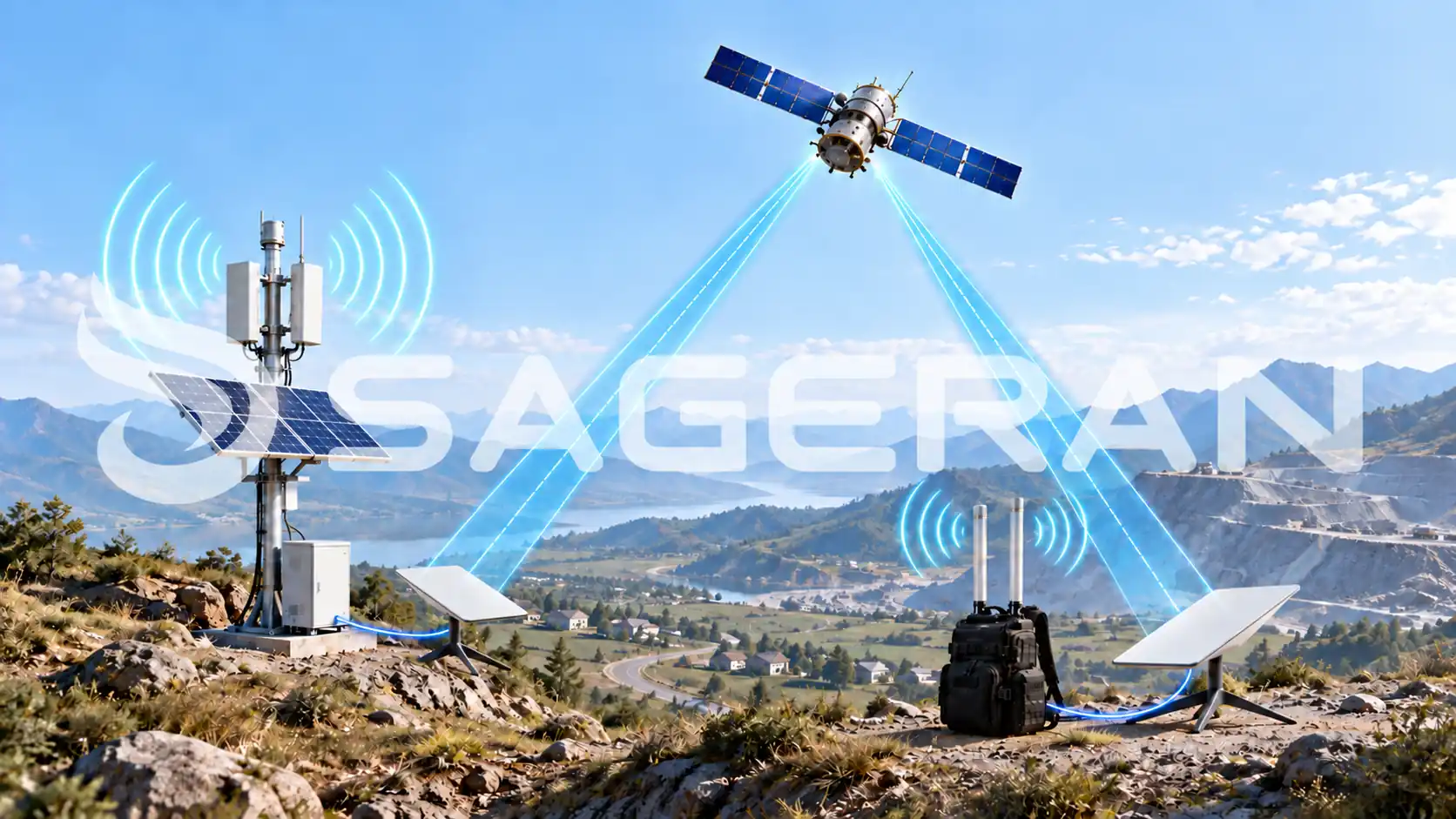
Figure 3 | Fixed-site coverage and temporary emergency coverage
04 Deployment in Africa: Starlink Satellite Backhaul
In overseas markets, particularly in parts of Africa, communications projects can face challenges such as dispersed communities, limited power and transmission infrastructure, and long distances for construction and maintenance. SageRAN has gained extensive experience in communications network projects across multiple African countries. Where fiber and microwave links are difficult to deploy in remote areas, satellite broadband systems such as Starlink can provide a more flexible backhaul option for traditional 4G/5G base stations.
Consider a typical deployment in a remote village in Eastern Africa country, where fiber is unavailable and building long-distance microwave links would be costly. By deploying SageRAN medium- to high-power 4G/5G base stations with Starlink satellite broadband terminals, the site can use an IP backhaul connection over the satellite link to reach the operator`s core network and provide mobile coverage to nearby villages. Local residents can connect using standard 4G/5G phones, without dedicated satellite terminals.
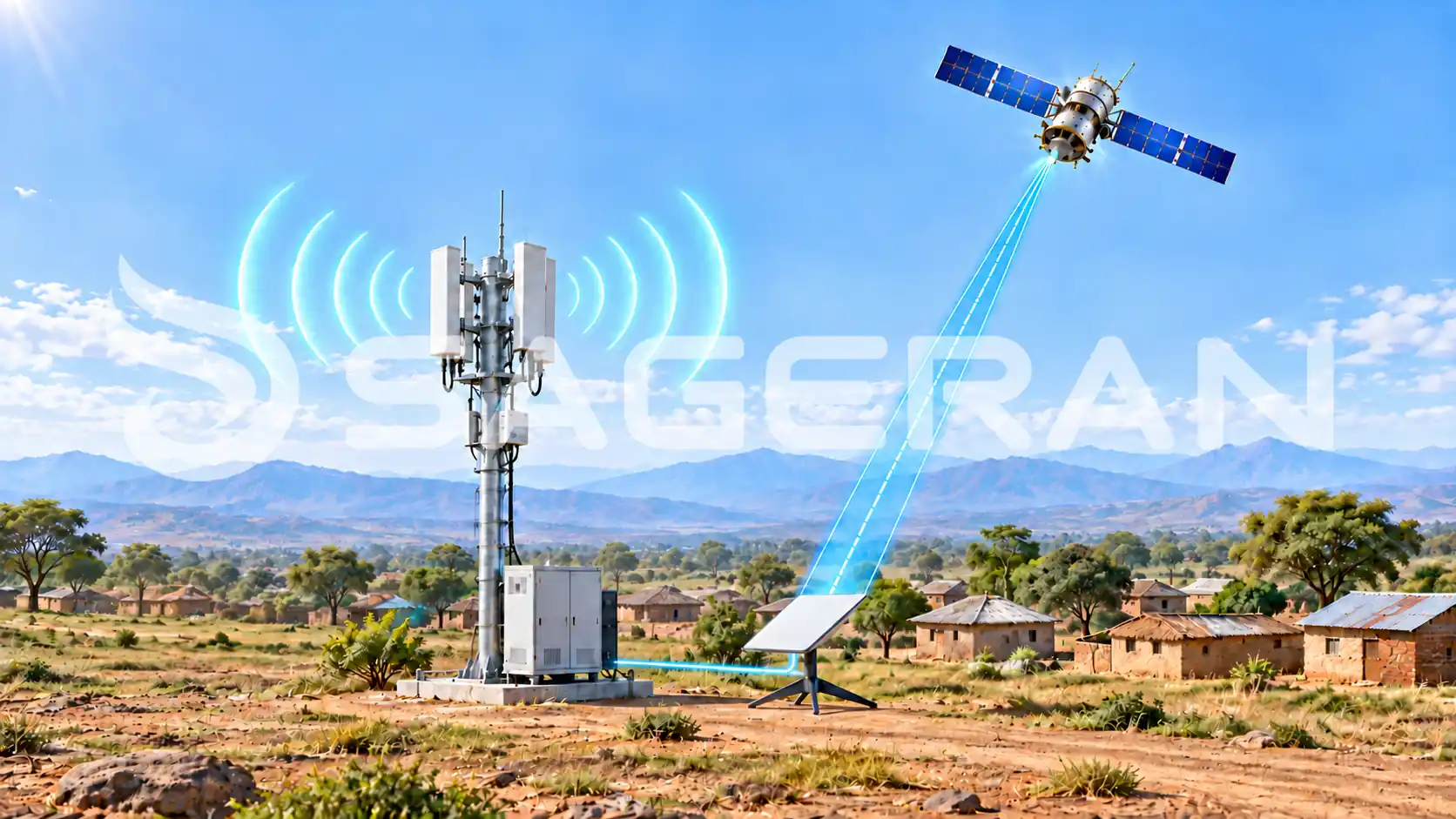 Figure 4 | SageRAN deployment in Africa: base station with Starlink backhaul
Conclusion: Extending Connectivity Further with Satellite Backhaul
In recent years, advances in low Earth orbit satellite internet and high-throughput satellite communications have made satellite backhaul an increasingly useful option for mobile network deployment in remote areas and for emergency communications. Drawing on its self-developed 4G/5G communications technology, diverse base station portfolio and network deployment experience in overseas markets including Africa, SageRAN is exploring ways to integrate terrestrial base stations with satellite broadband systems. These solutions offer flexible coverage options for areas with limited communications infrastructure.
In the next article, we will introduce SageRAN`s NTN ground base station platform with a transparent payload, and explore how the 5G network architecture and communications link change when a satellite moves from serving as a “backhaul link” to acting as a “radio signal relay.”