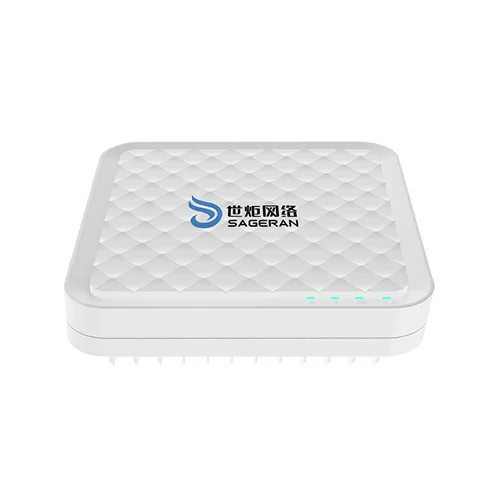
2G+4G BTS
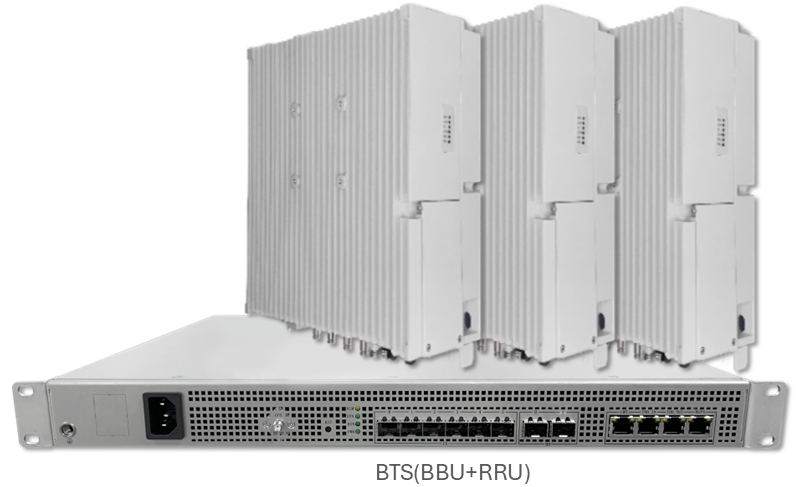
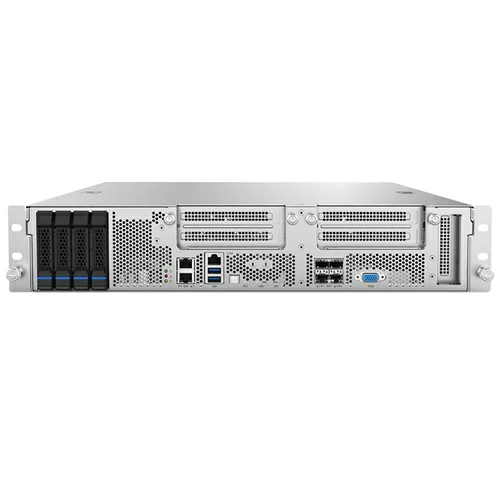
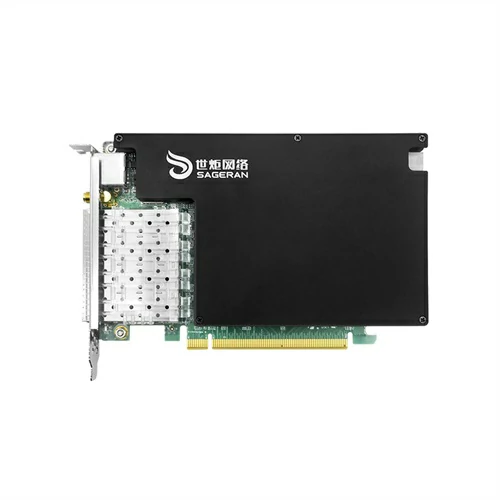
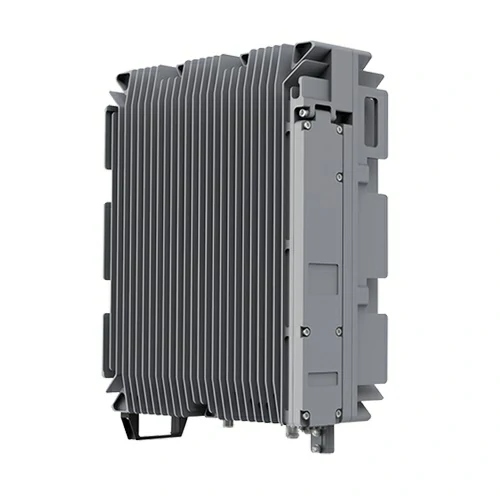
The SageRAN 2G+4G BTS is a dual-mode base station designed for operators that require both legacy 2G services and 4G broadband connectivity. Built on a common BBU and RRU architecture, it supports flexible deployment of GSM and LTE networks on a unified platform.
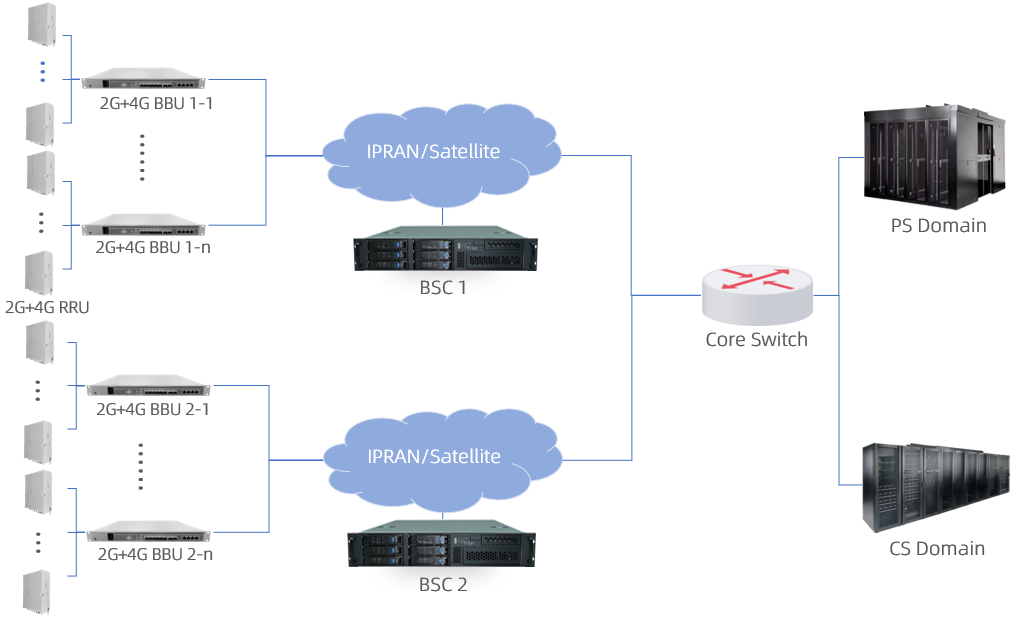
The solution is well suited for network replacement, basic voice and SMS services, low-rate data, remote-area coverage, mobile broadband, and IoT applications. With support for IP-based transport over IPRAN or satellite backhaul, it can be deployed in a wide range of network environments and connected to the BSC and core network through a centralized switching architecture.
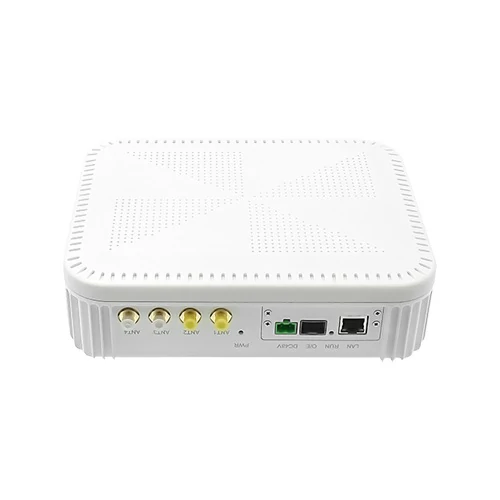
The 5G+LTE BBU is the baseband processing unit of the SageRAN`s XLink™ 5G+LTE distributed small cell solution. It is a small and low-power indoor distributed small base station that provides 5G and 4G mobile signal coverage for indoor scenarios through access to fixed broadband, proprietary backhaul, and other means to the mobile core network. It significantly improves user capacity and provides users with a good network experience, in combination with the expansion unit (EU) and remote radio unit (RRU).
Features:
- Integrated 2G and 4G base station platform
- Common BBU and RRU architecture
- Support for GSM 900 MHz, DCS 1800 MHz, LTE B8, and LTE B3
- Up to 12 TRXs for 2G deployment
- Support for up to 6 LTE sectors with 4T4R
- Flexible configuration for coverage and capacity requirements
- Support for voice, SMS, GPRS/EDGE, mobile broadband, and IoT services
- IP-based transport over IPRAN or satellite backhaul
Networking:
Specifications:
|
COMMON |
Index |
|
BBU Form Factor |
ARM-based 2G and 4G baseband platform supporting protocol stack and physical-layer processing |
|
Synchronization |
GPS, BeiDou, IEEE 1588v2, and 1PPS+ToD |
|
RRU Configuration |
Common 2G/4G antenna; GSM 900 MHz + LTE B8 or DCS 1800 MHz + LTE B3 |
|
Backhaul |
30kHz |
|
Network Architecture |
BBU/RRU-based distributed architecture with BSC and core network connectivity |
| 2G | Index |
| Channel Spacing | 200 kHz |
| Cell Capability |
Up to 3 sectors per BTS, up to 12 TRXs per BTS |
| User Capacity | Up to 180 concurrent calls per BTS |
| Erlang Capacity | 130 Erlangs at 2% GoS |
| Supported Services | Voice, SMS, GPRS, and EDGE |
| Supported Voice Codecs | FR, HR, EFR, and AMR |
| Frequency Bands | GSM 900 MHz or DCS 1800 MHz |
| RRU Transmit Power | 2G/4G dual-mode: 2 *60 W total |
| GSM 900 MHz Output Power | 0–20 W, configurable |
| DCS 1800 MHz Output Power | 4*5 W or 2*10 W |
| 4G | Index |
| Cell Capability | Up to 6 sectors, 4T4R |
| Channel Bandwidth | Up to 20 MHz |
| User Capacity |
≥400 active users per sector; ≥600 connected users per sector |
| Frequency Bands | LTE B8 or LTE B3 |
| B8 Output Power | 40–60 W, configurable |
| B3 Output Power | 4 *40 W |
| Supported Services | Mobile broadband, private networks, and IoT services |
- Integrated 2G and 4G base station platform
- Common BBU and RRU architecture
- Support for GSM 900 MHz, DCS 1800 MHz, LTE B8, and LTE B3
- Up to 12 TRXs for 2G deployment
- Support for up to 6 LTE sectors with 4T4R
- Flexible configuration for coverage and capacity requirements
- Support for voice, SMS, GPRS/EDGE, mobile broadband, and IoT services
- IP-based transport over IPRAN or satellite backhaul
- Suitable for legacy network replacement and multi-standard evolution
|
COMMON |
Index |
|
BBU Form Factor |
ARM-based 2G and 4G baseband platform supporting protocol stack and physical-layer processing |
|
Synchronization |
GPS, BeiDou, IEEE 1588v2, and 1PPS+ToD |
|
RRU Configuration |
Common 2G/4G antenna; GSM 900 MHz + LTE B8 or DCS 1800 MHz + LTE B3 |
|
Backhaul |
30kHz |
|
Network Architecture |
BBU/RRU-based distributed architecture with BSC and core network connectivity |
| 2G | Index |
| Channel Spacing | 200 kHz |
| Cell Capability |
Up to 3 sectors per BTS, up to 12 TRXs per BTS |
| User Capacity | Up to 180 concurrent calls per BTS |
| Erlang Capacity | 130 Erlangs at 2% GoS |
| Supported Services | Voice, SMS, GPRS, and EDGE |
| Supported Voice Codecs | FR, HR, EFR, and AMR |
| Frequency Bands | GSM 900 MHz or DCS 1800 MHz |
| RRU Transmit Power | 2G/4G dual-mode: 2 *60 W total |
| GSM 900 MHz Output Power | 0–20 W, configurable |
| DCS 1800 MHz Output Power | 4*5 W or 2*10 W |
| 4G | Index |
| Cell Capability | Up to 6 sectors, 4T4R |
| Channel Bandwidth | Up to 20 MHz |
| User Capacity |
≥400 active users per sector; ≥600 connected users per sector |
| Frequency Bands | LTE B8 or LTE B3 |
| B8 Output Power | 40–60 W, configurable |
| B3 Output Power | 4 *40 W |
| Supported Services | Mobile broadband, private networks, and IoT services |